
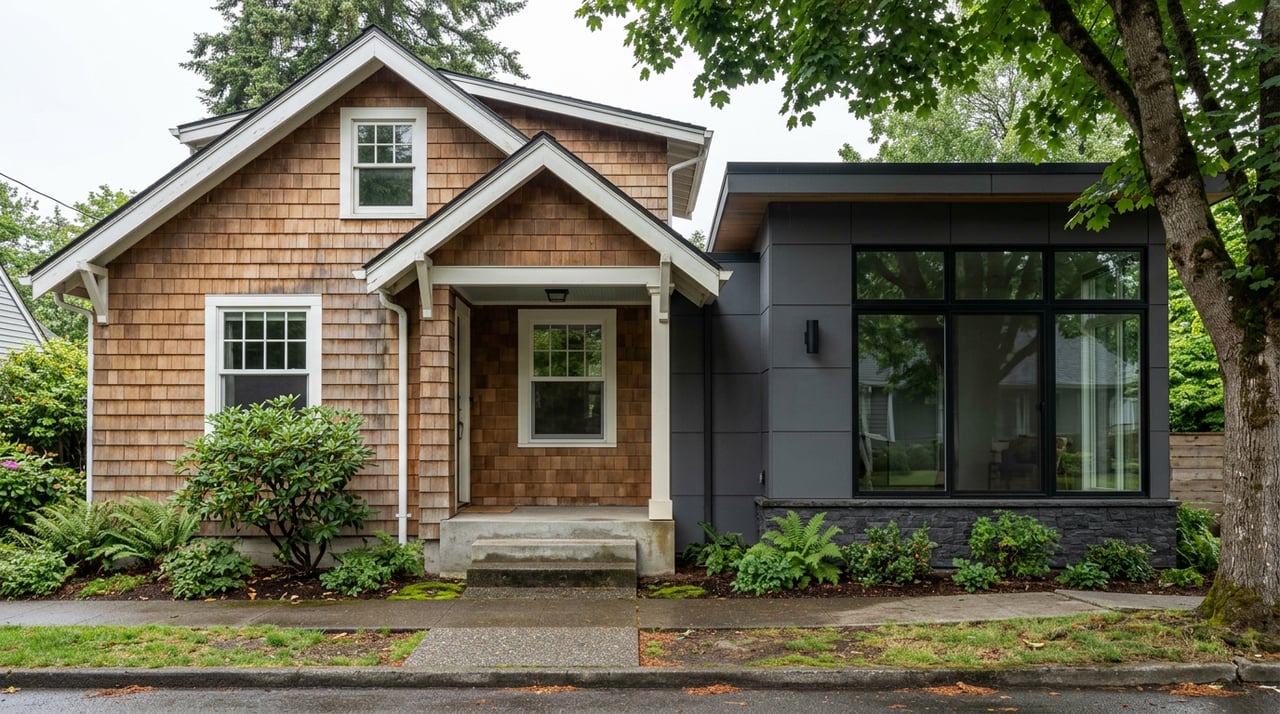
Torn between a gleaming Point Ruston condo and a storybook cottage on a tree-lined street? You are not alone. In Ruston, location by Commencement Bay, age, and condition all play a big role in price and upkeep. This guide breaks down the real tradeoffs so you can choose with confidence, whether you want modern convenience or classic character. Let’s dive in.
Ruston at a glance
Ruston is small, scenic, and highly location sensitive. Homes with waterfront or partial water views often command meaningful premiums, especially close to Point Ruston and the bay. At the same time, early-20th-century cottages bring charm, mature landscaping, and unique details. The town’s permitting also pays special attention to preservation and shoreline or critical-area issues, which can shape renovation timelines and scope. If you plan to build or renovate, start by reviewing the City’s guidance through the Ruston Building Department.
New builds vs classic cottages: what really differs
Layout and flow
- New construction often features open-plan living, great rooms with island kitchens, a defined primary suite, larger closets, and integrated parking. This suits modern daily life and remote work.
- Classic cottages usually have a smaller footprint, separated living and dining rooms, and built-ins that add character. Many were built in the early 1900s, so sizes and room counts can vary.
Outdoor space and lots
- New builds and condos may offer smaller private yards or shared amenities. Landscaping is usually newer.
- Cottages often sit on established lots with mature trees and gardens. Shade and privacy can feel more immediate.
Systems and efficiency
- New builds tend to include modern electrical capacity, better insulation and windows, and high-efficiency mechanicals. In Washington, homes permitted under the current energy code typically deliver tighter envelopes and lower energy use.
- Cottages may have older plumbing, electrical, or HVAC. Many have been updated, but you should verify the age and quality of key systems during inspection.
Maintenance and warranties
- New construction typically comes with builder and manufacturer warranties. That can reduce near-term surprise costs.
- Cottages can have more variable maintenance needs. Roofs, panels, plumbing, and drainage are common focus areas after closing.
Community rules and fees
- Condos and some new projects include HOAs, rules, and monthly dues that cover exterior maintenance and shared services.
- Most standalone cottages do not have HOAs, though they remain subject to local permitting and shoreline regulations.
What drives price in Ruston
Ruston’s market is small. Product type and location shift month to month, which causes big swings in posted medians. A better approach is to look at sold examples and think in ranges tied to style and view.
Based on publicly available closed-sales examples reviewed through March 2026:
- Classic cottages without water views have commonly sold from the mid 400s to the low 700s. Recent smaller examples include addresses on N Winnifred Street around roughly the high 400s to just over 600 thousand, depending on size and updates.
- Renovated or expanded cottages with partial views often land in the mid 700s to about 1.2 million. A recent example on N Commercial Street was reported near the upper 900s. Higher-end renovated homes can exceed that when lot and view align.
- Point Ruston and other waterfront-proximate condos or premium townhomes frequently close near or above 800 thousand for larger units with stronger views. Top-floor or best-view residences can exceed 1 million.
Why this matters for you:
- View and proximity to the bay can carry a significant premium. Two similar homes may differ notably in price based on view corridors, elevation, and orientation.
- Condition and renovations matter. A turn-key cottage can price closer to a newer build, while a classic fixer may offer a lower entry point but higher near-term investment.
Tip: If you plan to renovate, ask your agent for a multi-comp set that spans cottages and condos at similar sizes. Use solds from the same micro-area and recent months, then apply line-item adjustments for view and condition.
Inspection and maintenance: what to watch in Ruston
Ruston’s waterfront climate, hillside pockets, and history call for a focused inspection plan. Use the lists below to reduce surprises.
Cottage-specific checks
- Roof and exterior: Verify shingle age, flashing, gutters, and siding. Salt air near the bay can accelerate corrosion, so plan for more frequent exterior upkeep close to the water. Tacoma’s shoreline planning materials outline coastal hazards that may apply in Commencement Bay areas; review context before major work using the City’s shoreline planning document.
- Foundation and drainage: Look for signs of settlement, damp basements or crawlspaces, and retaining walls that need attention on sloped lots.
- Electrical and plumbing: Older cottages may have aging panels or galvanized lines. Budget for panel upgrades if you need more capacity for EV charging or heat pumps.
- Lead-based paint and asbestos: If the home was built before 1978, federal disclosure rules apply. Review the EPA’s buyer guidance on lead disclosures and consider testing if you plan to renovate.
- Smelter cleanup history: Ruston and nearby neighborhoods were part of the historic ASARCO smelter cleanup. Before digging, landscaping, or adding hardscapes, confirm the property’s remediation status using the Washington Dept. of Ecology’s Tacoma Smelter Plume cleanup page and ask the seller for any soil reports.
New-build and condo checks
- Warranty and manuals: Confirm the scope and duration of builder and manufacturer warranties, including structural coverage.
- HOA health: Review CC&Rs, budgets, and reserve studies for condos. Understand what dues cover, and whether there are known projects ahead.
- Mechanical commissioning: Verify correct sizing and installation of heat pumps, water heaters, and ventilation. Check window specs and insulation meet the permitted energy code.
A quick pre-offer checklist
- Hire a licensed inspector who will evaluate structure, roof, plumbing, electrical, and HVAC.
- For pre-1978 homes, consider a lead inspection if you plan to disturb paint or trim. Start with the EPA’s lead guidance.
- For waterfront or bluff-adjacent properties, discuss whether a geotechnical or shoreline review is prudent.
- For any planned excavation or large landscaping, confirm smelter-plume remediation records through Ecology’s cleanup search.
- Check the property’s permit history and any open final inspections through the City’s permit service center.
Energy, comfort, and code basics
Washington’s 2021 State Energy Code sets a higher baseline for insulation, windows, and mechanical efficiency than older code cycles. The state’s code certification outlines targets for improved energy performance through 2031, which means newer homes typically start with better envelopes and electrified systems. You can review the state’s summary in the U.S. DOE’s Washington 2021 Code Certification.
- Newer homes built under the current code often include heat pumps and tighter air sealing. ENERGY STAR’s NextGen materials summarize the comfort and efficiency gains modern builds can deliver, which may lower monthly bills compared to older stock. See an overview in ENERGY STAR’s NextGen guide.
- Older cottages can be upgraded with added insulation, air sealing, window improvements, and heat pumps. Incentives can help. Puget Sound Energy maintains education and program pointers for electrification; check current offers before you buy or renovate through PSE’s electrification page.
Always confirm which code edition governed the project you are buying and the edition that will apply to any new permit. For Ruston-specific questions, contact the Building Department before you design work.
A simple 5-step framework to choose
Use this quick decision flow to stay grounded.
- Location priorities
- Decide whether a water view, proximity to the bay, nearby parks, or an easy commute is a must-have. View adds both value and maintenance exposure near salt air.
- Budget and buffers
- Set your top price, then add a 5 to 10 percent near-term project buffer for older cottages. For condos, factor in HOA dues and the possibility of special assessments.
- Maintenance tolerance
- If you want move-in ease and fewer near-term projects, lean toward new construction or thoroughly renovated homes. If you enjoy hands-on improvement and character, cottages can offer a lower initial price with potential upside.
- Efficiency and future-proofing
- Decide whether you want modern electrification and envelope performance now, or plan to upgrade an older home over time. Check current utility and federal incentives to lower upfront costs.
- Risk checks before you offer
- Confirm lead disclosures for pre-1978 homes, review smelter-plume records for any yard work, study HOA reserves for condos, and verify permit history for major past upgrades. Bring questions to your inspector and your agent early.
Which choice fits you best?
- Choose a new build or Point Ruston condo if you value low-maintenance living, newer systems, energy efficiency, secure parking, and a lock-and-leave lifestyle. Expect HOA dues and community rules in exchange for convenience.
- Choose a classic cottage if you love unique details, mature landscaping, and the option to tailor upgrades over time. Expect more hands-on maintenance and careful due diligence on systems and soils.
Either path can be a smart buy in Ruston. The best choice is the one that aligns with your location priorities, budget, and appetite for projects. If you want a local, data-informed sounding board, reach out to schedule a walkthrough or a pricing review.
Ready to compare Ruston cottages and new builds side by side, with real comps and an inspection plan that fits your goals? Connect with Tim McKeown for a calm, methodical consult and clear next steps.
FAQs
Are Ruston cottages cheaper than new builds?
- Sometimes. In Ruston, view, renovation scope, and exact location often control price more than age alone. Look at multiple recent solds to see the true range.
Should I worry about the ASARCO smelter cleanup when I buy in Ruston?
- It is part of local history. Many yards were sampled and, in some cases, cleaned. If you plan to disturb soil, confirm the property’s remediation record and ask for any soil reports.
Do new builds save money on utilities compared with older cottages?
- Often yes. Homes built under the current energy code typically have better insulation, windows, and efficient mechanicals like heat pumps, which can lower energy use.
If I buy a condo at Point Ruston, what extra costs should I expect?
- Monthly HOA dues and building reserves, plus any community rules. Dues often cover exterior maintenance and common areas, which reduces your personal upkeep.
What inspections are most important for an early-1900s Ruston cottage?
- A full home inspection with special attention to roof, foundation and drainage, electrical panel and wiring, plumbing, and potential lead-based paint if built before 1978.