Trying to choose between Central Tacoma and North Tacoma for your next home? You’re not alone. Both areas offer real value but in very different ways. If you want a quick, honest breakdown of housing types, price bands, commute access, and what it takes to renovate, this guide lays it out so you can decide with confidence. Let’s dive in.
Quick orientation: what counts as Central vs North
Local naming can vary by block, and listings often use “Central,” “Downtown,” or “North End” a bit differently. For formal neighborhood references and council areas, review the City’s Neighborhood Council program map to see how the city frames these areas. You can find it on the City of Tacoma’s Neighborhood Council page.
- Central Tacoma: Downtown, Hilltop, and nearby mixed-use corridors. Expect more condos, apartments, and adaptive-reuse buildings alongside pockets of single-family homes.
- North Tacoma (North End): Old Town, Proctor, North Slope, Stadium, and adjacent waterfront areas. Expect more intact single-family streetscapes and older architectural styles.
If you want a deeper dive into official boundaries or advisory groups, start with the City’s Neighborhood Council program overview on the City of Tacoma website.
North Tacoma at a glance
Housing character and architecture
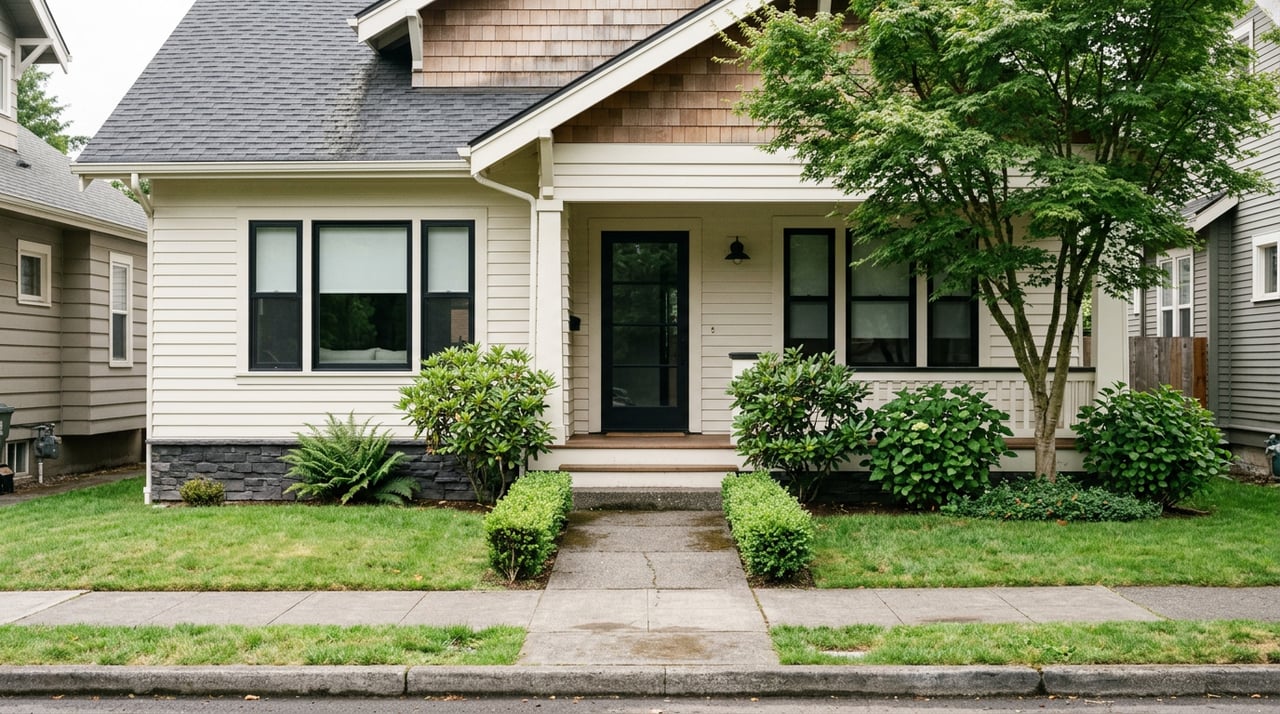
If you picture classic Tacoma homes with front porches and period details, you’re likely thinking of the North End. The North Slope Historic Special Review District alone covers about 950 properties and showcases Victorian, Craftsman, Colonial Revival, and Foursquare architecture. You’ll also see established street trees and some homes positioned for views. To understand how historic review works in these areas, explore the City’s page on Tacoma’s Historic Districts and Landmarks.
Typical price bands
Recent listing snapshots show a higher median in the North End compared with Central Tacoma. For example, Redfin’s neighborhood medians pegged North Tacoma at about 670,000 dollars in January 2026. Pricing varies by sub-neighborhood and by property type, and premium areas like Stadium, parts of Old Town, and select view streets can sit well above that.
Renovation considerations
Many North End blocks fall within local historic districts. Exterior changes that require a building permit on contributing properties typically go through Landmarks Commission or administrative review. Interior work usually does not require historic review. That process can affect your timeline and design choices, so it pays to plan early and understand the standards. See the City’s Historic Districts and Landmarks overview for specifics and process steps.
Older homes also bring common renovation hazards. For pre-1978 homes, plan for lead-safe work practices under EPA RRP rules. Asbestos can be present in some older building materials; consult accredited professionals for testing and abatement when demolition or disturbance is planned. The EPA’s Renovation, Repair and Painting Program page outlines requirements for certified firms and safe practices.
Central Tacoma at a glance
Urban mix and property types
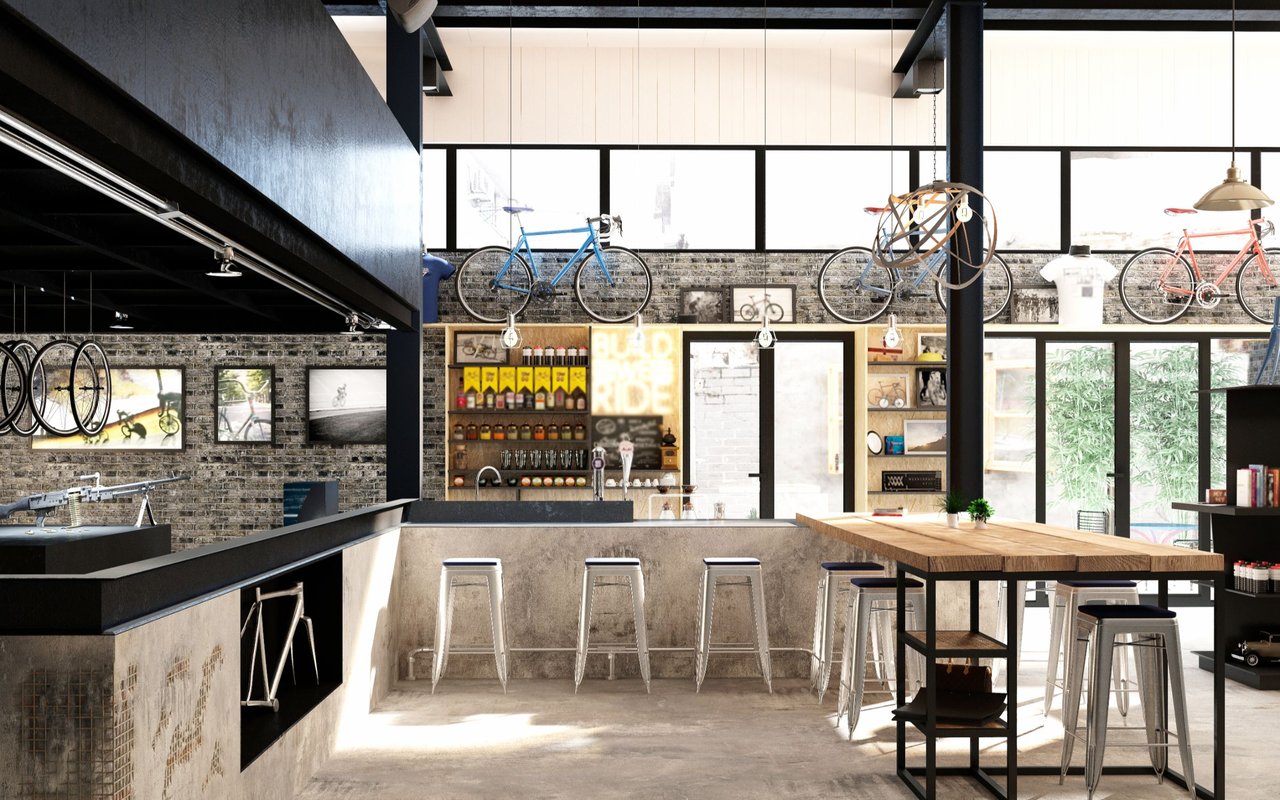
Central Tacoma is more urban and mixed-use. Downtown and neighboring corridors include the city’s highest concentration of condos and apartments, plus warehouse-to-loft conversions and campus-area reuses. Hilltop and nearby pockets add older single-family homes mixed with multifamily buildings and commercial stretches like 6th Avenue and Pacific Avenue. Lots can be smaller, and attached or multifamily options are more common than in the North End.
Typical price bands and pacing
In recent snapshots, Central Tacoma’s median hovered around 465,000 dollars as of December 2025. Using those figures for context, the North End median was roughly 44 percent higher than Central at that time. Central can also be very competitive for well-priced listings. Condo inventory ebbs and flows, so the best approach is to check current comps the week you shop.
Flexibility for ADUs and missing-middle housing
If you want to add an ADU or explore a duplex or triplex, Central may offer more paths to yes. The City’s Home in Tacoma zoning package, in effect February 1, 2025, expanded where middle housing types are allowed and clarified ADU options in many areas. Always verify parcel-specific allowances, setbacks, and design standards before you budget. Start with the City’s Home in Tacoma overview, then review permits and development services for timelines and submittal steps.
Commute, corridors, and access
Freeways and arterials
- I-5 is the main north–south route across the region.
- I-705 is the Downtown connector that links I-5 to the museum district and waterfront. See the Interstate 705 summary for context on the spur and how it ties into the core.
- SR-16 connects Tacoma to Gig Harbor over the Narrows Bridge.
These corridors shape daily drive times. Central addresses generally offer faster access to I-705 and I-5. North End addresses offer reasonable freeway reach, with some routes favoring surface streets to SR-16 or I-5 depending on your block.
Transit connections
Tacoma Dome Station is the intermodal hub for Sounder commuter rail, the TLine streetcar into downtown, and regional bus routes. Central and Downtown locations tend to give you quicker, more predictable access to the Dome and the TLine. North Tacoma has good local bus coverage; your total trip time to the Dome depends on your exact location and route. For station and route information, review Pierce Transit’s Transit Centers page.
Walkability and waterfront
Walkability varies block by block. Downtown and parts of the North End score well for walking access to shops and services. For a snapshot around the city core, see the Walk Score example centered near 47.2422, -122.4831. On the north side, Ruston Way, Old Town, and Point Defiance provide popular outdoor and waterfront amenities.
Which area fits your budget and goals
Use these quick scenarios to match your priorities to the right streets.
Scenario A: Budget 400,000 to 520,000 dollars. Lifestyle: walkable, low-maintenance living with a short commute to downtown and easy transit. Likely fit: Central Tacoma near Downtown or 6th Avenue. Property types: condos, smaller homes, and loft-style units. Tradeoffs: smaller yards, HOA fees for condos, and more multifamily neighbors.
Scenario B: Budget 600,000 to 800,000 dollars. Lifestyle: historic character, a yard, and potential views. Likely fit: parts of the North End such as Proctor-area blocks, some North Slope streets, and select Old Town pockets. Tradeoffs: possible historic review on exterior changes and a slightly longer drive to some job centers.
Scenario C: Budget 500,000 to 700,000 dollars. Lifestyle: plan to renovate and add an ADU for income or flexibility. Likely fit: Central Tacoma parcels in areas where Home in Tacoma broadened allowed housing types. Tradeoffs: confirm lot size, setbacks, and design standards with the City before you buy. Historic districts on the North End may allow ADUs where zoning permits, but design guidelines can affect form and placement.
Scenario D: Budget 800,000 dollars and up. Lifestyle: premium views, waterfront condos or townhomes, or larger historic homes. Likely fit: Stadium District, Old Town, Ruston Way, and Point Ruston areas in the North End. Tradeoffs: higher purchase prices and possible competition for move-in-ready or prime view listings.
Tip: Pricing changes with interest rates and seasonality. Get live comps and on-the-ground context the week you plan to write an offer.
Renovation checklist for both areas
Before you start budgeting for updates, run through this short checklist.
- Confirm if the property sits inside a local historic district. Exterior work that needs a permit may require review. Start with the City’s page on Historic Districts and Landmarks.
- Ask for prior permits and inspection reports. The City’s Permits and Other Development Services page explains intake, combined residential permits, and contact paths.
- Budget for lead and asbestos screening on pre-1978 homes. Follow the EPA’s RRP rules for lead-safe work and hire accredited professionals for asbestos testing and abatement.
- Meet the permit center early. If you are considering an ADU or a larger remodel, review the Home in Tacoma framework and then verify parcel-specific allowances with Planning and Development Services.
Central vs North: how to choose with confidence
Here is the simplest split: choose North Tacoma if you want classic single-family character and potential views on older, established streets. Choose Central Tacoma if you want an urban setting with more condo and multifamily options, stronger access to the Dome and TLine, and broader flexibility for ADUs and middle housing in many areas. Prices reflect that tradeoff. Recent snapshots showed the North End median above Central’s by roughly 44 percent, driven by larger historic homes and premium view locations. Your best next step is to define your must-haves, then tour both areas on the same day for a clear, side-by-side feel.
When you’re ready, connect with a responsive, data-focused local advisor who can pull live comps, pressure-test your renovation plan against City rules, and coordinate showings that match your budget and lifestyle. If you want that kind of hands-on, methodical guidance, reach out to Tim McKeown to get started and request a Free Consultation & Home Valuation.
FAQs
Which Tacoma area offers more single-family character?
- North Tacoma’s older single-family streets and historic districts offer more period architecture and intact block character. See the City’s Historic Districts and Landmarks overview for context on these areas.
How do prices compare between Central and North Tacoma right now?
- Recent snapshots showed North Tacoma around 670,000 dollars (January 2026) and Central around 465,000 dollars (December 2025). That put the North End roughly 44 percent higher at that time, with wide variation by sub-neighborhood and property type.
What should I know about renovating a historic North Tacoma home?
- Exterior changes that need a permit on contributing properties typically require Landmarks Commission or administrative review. Interior work usually does not. Review the City’s Historic Districts and Landmarks guidance before you budget.
Where is it generally easier to add an ADU in Tacoma?
- Many Central Tacoma parcels benefit from the City’s Home in Tacoma update that expanded allowed middle housing types. Always confirm parcel-specific rules and setbacks with Planning and Development Services.
Which area is better for transit to Seattle or the region?
- Central and Downtown locations tend to have faster access to Tacoma Dome Station for Sounder rail, the TLine, and regional buses. North Tacoma has solid local bus options; total trip time depends on your exact block. See Pierce Transit’s Transit Centers for details.
Do I need to worry about lead or asbestos in older Tacoma homes?
- For pre-1978 homes, plan for lead-safe practices under EPA RRP rules. Asbestos can be present in older materials; use accredited professionals for testing and abatement when demolition or disturbance is planned. The EPA’s RRP page explains the requirements.