Craving tall windows, open space, and the energy of city life? If you are eyeing a loft in Downtown Tacoma, you probably want walkable days, easy transit, and a home with character. You also want the real picture on noise, parking, HOA costs, and older-building quirks before you commit. This guide breaks down day-to-day living, common loft styles, tradeoffs, and a smart plan for touring and due diligence. Let’s dive in.
Downtown Tacoma at a glance
Downtown Tacoma is a true urban core anchored by museums, restaurants, and small retailers. Many central blocks score very high for walkability, with some intersections near the Museum District earning a 97 Walk Score, which means most errands can happen on foot. You will see scores drop a bit near industrial edges or hillside blocks, so check the exact address you are considering. A good example of central walkability is the area around S 9th and St Helens Ave, which rates as a walker’s paradise on Walk Score.
Getting around without a car is realistic for many days. The T Line (Tacoma Link) runs through downtown, connecting the Theater District, Union Station area, and the Tacoma Dome transit hub for easy transfers to regional service. You can review how the Link ties into Sounder commuter rail and regional buses on the Visit Pierce County transit overview and UW Tacoma’s transit guide. Many Seattle commuters use Sounder or drive via I‑5 depending on schedules.
Cultural life is a major draw. The Museum District includes attractions like the Tacoma Art Museum and neighboring institutions, which fuel foot traffic, cafes, and evening venues within a short walk of many buildings. Seasonal events, live music, and neighborhood activations keep the core lively throughout the year.
What counts as a loft here
Hard vs soft lofts
You will typically see two styles:
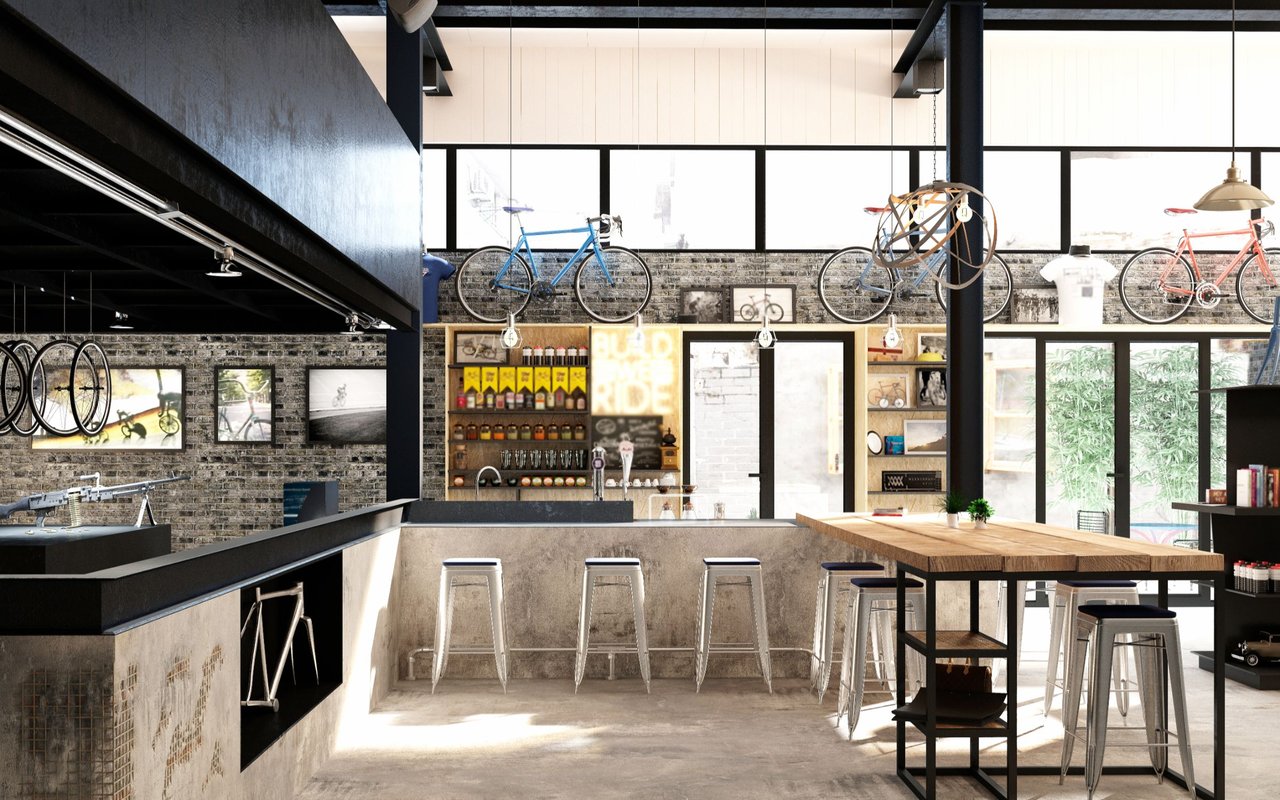
- Hard lofts. These are conversions of older warehouses or commercial buildings. Expect exposed brick, big industrial windows, heavy timber or steel structure, and tall ceilings with lots of character. Because they are older, review retrofit history and systems with care. Local preservation efforts document many historic and adaptive reuse sites, which can inform your questions during due diligence. See the watchlist context from Historic Tacoma.
- Soft lofts. These are newer buildings designed with loft aesthetics, like open plans and large windows, but built with modern systems and insulation. They deliver the look and feel with fewer unknowns on structure and code. For a quick primer on loft types, see this overview from MyMove.
Inside the units
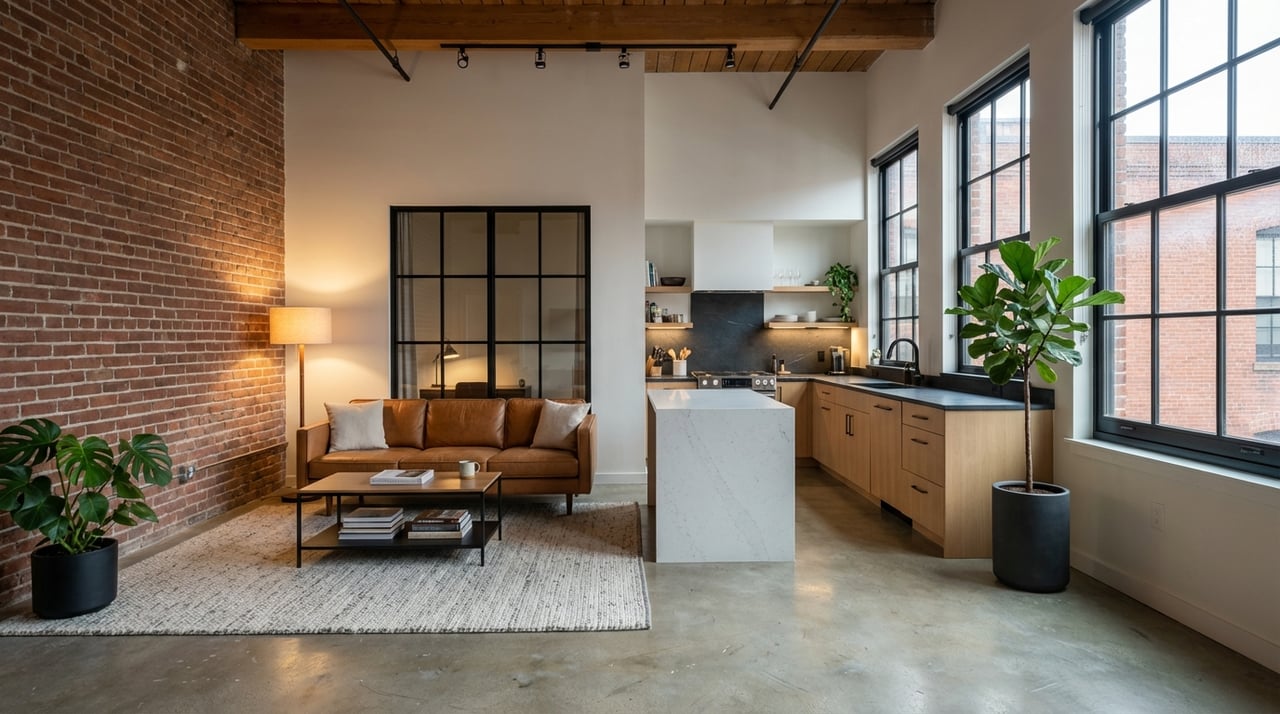
Typical features include high ceilings, oversized windows, and open living areas that feel airy and bright. In hard lofts, you may see exposed ductwork or brick, plus polished concrete or hardwood floors. Storage can be limited in some conversions, so built-ins, wardrobes, or partitions are common add-ons. Heating and cooling vary by building vintage and should be verified during tours.
Building amenities you will see
Amenities range widely by property. Converted buildings may focus on essentials like secure entry, mailrooms, and small storage or laundry solutions. Newer mid-rise and condo buildings often add elevators, secure garage parking, fitness rooms, rooftop decks, or resident lounges. Parking is highly variable. Some units include a deeded garage space, while others rely on nearby public garages or street parking. Always verify what is included for the exact unit you are considering.
The real tradeoffs to weigh
Noise and privacy
Downtown living comes with sound. Street traffic, restaurant and bar activity, trash pickup, and occasional construction are part of the landscape. In older conversions, single-pane windows or thinner floor assemblies can carry more noise. Visit units at different times of day, look closely at window type and wall or floor construction, and consider simple mitigation steps like upgraded windows, area rugs, or acoustic panels. You can review common loft pros and cons in this MyMove guide.
Parking and vehicle storage
Plan for variability. If you need guaranteed parking, focus your search on units with a deeded, full-size space and confirm details like assigned location or tandem layouts. Without a deeded spot, your options are street meters, pay-by-the-hour garages, or monthly parking contracts. Event days can tighten supply, so factor that into your routine and budget.
HOA dues and ongoing costs
Most condo or loft buildings are governed by an HOA. Dues typically cover building insurance, common-area upkeep, and sometimes utilities and elevator or roof service. Older conversions may have lower amenity costs but higher near-term capital needs. Review the reserve study, financials, meeting minutes, maintenance history, and any special-assessment discussions before you write an offer.
Seismic and structure
Many beloved hard lofts sit in older masonry or early 20th-century structures. In the Puget Sound region, unreinforced masonry and certain pre-1970 building types are known seismic risks. Ask for documentation on seismic retrofits, parapet or masonry repairs, and any recent engineering reports. For regional seismic context, see this scenario overview on Studylib, and use Historic Tacoma to understand local building ages and preservation status.
Safety, services, and downtown management
Downtown Tacoma’s Business Improvement Area provides cleaning, hospitality, and safety outreach. Recent reporting shows rapid residential growth alongside active clean and safety operations across the core. Perceptions can vary by block and time of day, so walk your route during the hours you plan to use it. For a snapshot of growth and downtown management activity, review the summary of Downtown Tacoma Partnership reporting from Citizen Portal.
Who loft living fits
Lofts often appeal to downsizers, single professionals, and empty-nesters who want culture and convenience in one place. Investors may target select buildings with strong rental policies. Some households prefer neighborhoods with more private outdoor space, but a portion of downtown units do market to buyers seeking urban lifestyle and views. As always, fit comes down to your daily routine and priorities.
How to shop smart in Downtown Tacoma
Use this simple checklist when you tour:
- Map your week. Walk to your most common stops and test the T Line for groceries, dining, and events. For regional commuting, confirm your Link and Sounder timing using the Visit Pierce County guide or UW Tacoma’s overview.
- Test for noise. Visit at morning rush, evening, and weekend hours. Step outside near restaurants and venues to gauge sound.
- Inspect windows and walls. Note window type, seals, and any interior acoustic treatments.
- Verify parking. Is a space deeded to the unit? Assigned or tandem? Compact or full-size? Confirm guest parking and EV options if needed.
- Read the HOA docs. Review financials, reserve study, insurance coverage, maintenance logs, and any pending assessments.
- Confirm seismic work. Ask for retrofit records or recent engineering evaluations, especially in older masonry or timber structures. Use Historic Tacoma as a context reference.
- Plan storage. Measure for wardrobes or built-ins if closets are limited.
- Think resale. Features that often help liquidity include a strong building location, deeded parking, reliable HOA finances, views, and outdoor space. Compare recent sales in the same building or block.
Cost and market context
Downtown Tacoma condo and loft prices are generally lower than Seattle’s, and recent years have seen growth as more housing comes online. Some Midtown and Downtown snapshots have placed the median sale price in the mid‑$400k range, but numbers move with the market and vary by building and block. Ask for current comps and an on-the-ground valuation before you decide how to bid.
Daily life highlights
A typical day might start with a coffee walk and a museum stop, roll into waterfront time on the Thea Foss, and end with dinner in the Brewery District. The area’s historic buildings house galleries, eateries, and breweries, which makes casual nights out easy. Tacoma remains an active port city, so you will notice neighboring industrial operations and rail activity that are part of the region’s economic fabric. For context on port and rail operations in the area, see this regional overview in Pacific Gateway.
Ready to zero in on the right building, evaluate HOA health, and navigate offer strategy with confidence? Reach out to Tim McKeown for local guidance tailored to your goals.
FAQs
Is a Downtown Tacoma loft walkable for daily errands?
- Many central blocks are very walkable, and some Museum District intersections score in the high 90s on Walk Score. Check the specific address you plan to buy for the most accurate picture.
How does transit work for Downtown Tacoma loft residents?
- The T Line connects key downtown stops and links to the Tacoma Dome transit hub for regional buses and Sounder rail. Review current schedules before you plan your commute.
What should I know about noise in converted lofts?
- Older industrial windows and floor assemblies can transmit more sound. Visit at multiple times, inspect windows, and consider simple acoustic upgrades if you are sensitive to noise.
Do most lofts include parking in Downtown Tacoma?
- Parking varies by building and by unit. Some condos include a deeded garage space, while others rely on public garages or street options. Always verify the exact parking terms in writing.
How do I assess seismic risk in an older loft building?
- Ask for records of seismic retrofits, masonry or parapet repairs, and any recent structural or engineering reports. Older masonry or timber structures require extra diligence.
Who typically buys Downtown Tacoma lofts?
- Buyers often include downsizers, single professionals, and empty-nesters who value culture and convenience. Investors also consider select buildings, depending on policies and location.