
Thinking about leaving Seattle for more space and a lower price tag? You are not alone, but the move to Olympia comes with a real tradeoff: you can often buy more home for less money, but your commute will usually get more complicated. If you are weighing cost, housing style, and day-to-day travel, this guide will help you compare the numbers and think through what life might actually feel like. Let’s dive in.
Why Olympia gets attention
For many Seattle-area buyers, Olympia stands out because the price gap is meaningful. Olympia’s median sale price is $535,000, while Seattle’s is $849,500, according to Redfin market data. That means Seattle is about 59% more expensive than Olympia.
That gap can change what is realistic for your budget. If you have been shopping in Seattle and feeling priced out of detached homes, extra bedrooms, or private outdoor space, Olympia may open up more options. At the same time, it is still an active market, with homes typically selling in about 22 days, so planning ahead still matters.
Olympia is not a bargain-basement market, though. Redfin also places the city’s cost of living about 13% above the national average, which is worth keeping in mind if you are trying to estimate your full monthly budget beyond the mortgage payment.
How Olympia compares on price
If you are relocating south, it helps to look at Olympia in the context of other South Sound options. Based on the research, Olympia sits between Seattle and Pierce County cities on price.
| Area | Median Sale Price |
|---|---|
| Seattle | $849,500 |
| Olympia | $535,000 |
| Tacoma | $460,000 |
| Lakewood | $500,000 |
This tells you a few important things right away:
- Olympia is much less expensive than Seattle.
- Olympia is higher-priced than Tacoma.
- Olympia is slightly above Lakewood.
- If commute flexibility matters more than house size, Tacoma or Lakewood may deserve a closer look too.
For many buyers, the right answer is not simply, “Where is cheapest?” It is, “Where do price, home type, and commute come together in a way I can live with?”
What kind of housing you will find
One of the biggest surprises for Seattle movers is that Olympia does not offer just one type of lifestyle. The housing mix changes depending on where you focus your search.
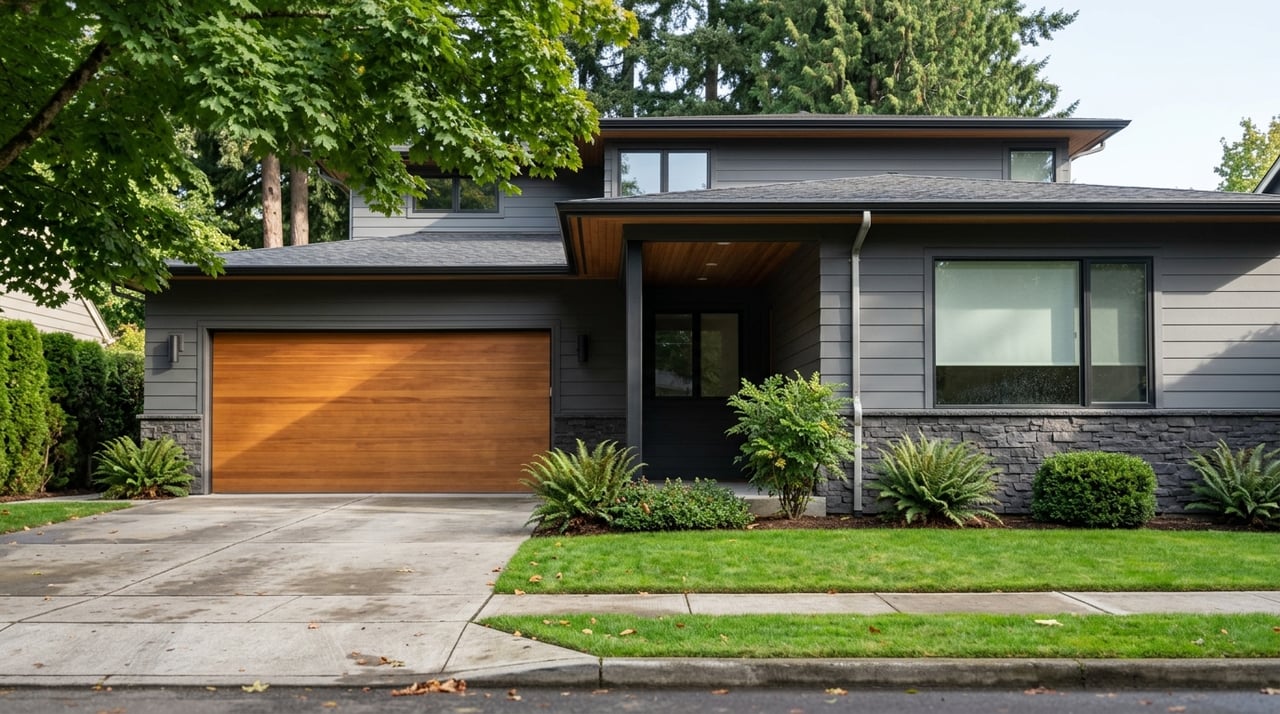
According to City of Olympia and Thurston County housing data, 52% of Olympia housing units are one-unit detached homes, while 24% are in buildings with 10 or more units. That means Olympia has a more multi-unit housing mix than the county overall.
In the broader Lacey-Olympia-Tumwater urban area, 64% of occupied units are detached single-family or townhouse units, and about half of households rent. For you as a buyer, that means you can usually choose between lower-maintenance attached housing closer to the core and more traditional detached housing in more residential settings.
Olympia home types by budget
If your goal is to lower your purchase price while still staying in Olympia, home type matters a lot. Redfin’s Olympia city guide shows a clear price ladder:
- Single-family homes: $532,450 median
- Townhouses: $354,000 median
- Condo/co-ops: $199,900 median
This can be helpful if you are moving from Seattle and trying to avoid payment shock. A condo or townhome may offer a more affordable way to stay close to downtown Olympia, while a detached home may give you more space and a different day-to-day feel.
It also raises practical questions. If you choose an attached home, you may want to ask about HOA dues, building rules, parking, and whether your lender needs condo-specific approval. Those details can shape affordability just as much as the list price.
Downtown Olympia versus established neighborhoods
If you are trying to picture your daily life after the move, this is where the search gets more specific. Different parts of Olympia can feel very different in terms of walkability, housing style, and how much space you get.
Redfin neighborhood data shows:
- Downtown Olympia: $449,500 median sale price, walk score 75
- Northwest Olympia: $464,000 median sale price, walk score 49
- North East Olympia: $505,950 median sale price, walk score 32
Downtown Olympia tends to make the most sense if you want to be closer to the urban core and are comfortable trading some space or parking convenience for walkability. Established neighborhoods like Northwest Olympia or North East Olympia often appeal to buyers who want a more residential setting and may be looking for more traditional detached homes.
Neither option is universally better. It depends on whether your priority is being able to walk to more destinations, having easier parking, getting more square footage, or simplifying your freeway access.
The commute tradeoff is real
Here is the big reality check for Seattle workers: saving money on housing does not erase commute time. In most cases, relocating to Olympia while keeping strong ties to Seattle means you will need a strategy, not just a route.
For drivers, the WSDOT South Puget Sound I-5 dashboard reports that the 28-mile Olympia-to-Tacoma trip averaged 34 minutes during the peak morning commute in 2023. The reverse Tacoma-to-Olympia evening trip averaged 51 minutes. WSDOT identifies peak periods as 5 to 10 a.m. and 2 to 8 p.m.
That data is for Olympia and Tacoma, not all the way to Seattle. So if your job is in Seattle, you should usually expect a longer and more layered trip, especially if you are commuting during peak times.
Transit options from Olympia
Transit can help, but it is usually not a simple one-seat ride from Olympia to central Seattle. The current setup is more of a connection system.
According to Intercity Transit:
- Route 600 provides direct weekday service between Olympia Transit Center and the SR 512 Park & Ride in Lakewood, with limited stops including Lakewood Sounder Station.
- Route 610 runs seven days a week between Olympia and the SR 512 Park & Ride, also serving Lakewood Sounder Station.
From there, Sound Transit Route 594 connects Lakewood and Seattle on weekdays, Saturdays, and Sundays. The Sounder S Line runs on weekdays between Seattle and Lakewood or Tacoma. Amtrak Cascades also stops at Olympia-Lacey, Tacoma, and Seattle.
In practical terms, many Olympia-to-Seattle commuters should expect drive-plus-transit or bus-and-rail combinations rather than one direct trip. That means your home search should factor in more than price alone.
What to prioritize if you still work in Seattle
If your workplace, clients, or meetings still pull you north, your home search should focus on the full routine. A cheaper home can feel less affordable if the commute adds stress, fuel, parking costs, or lost time every week.
Here are smart things to weigh before you buy:
Prioritize freeway access
If you expect to drive often, quick access to I-5 may matter more than being in the most charming pocket of town. Even a small difference in getting on the road can affect your daily routine.
Think about transit connections
If you want to reduce driving fatigue, look at access to the Olympia Transit Center, SR 512 Park & Ride, or Lakewood Sounder Station connection pattern. The easier it is to get to your transfer point, the more realistic transit becomes.
Plan for parking needs
If your schedule includes occasional Seattle trips instead of daily commuting, parking may become a bigger issue than route time. Garage parking, secure off-street parking, or simple vehicle storage can be worth more than buyers first assume.
Compare total monthly cost
A lower purchase price does not automatically mean a lower all-in housing cost. You may want to compare Olympia, Tacoma, and Lakewood with taxes, insurance, HOA dues if applicable, and commute costs included.
Questions to ask before relocating
Before you commit, it helps to talk through the details with both your agent and lender. Based on the research, these are useful questions to bring into that conversation:
- Which Olympia areas offer the best access to I-5, the Olympia Transit Center, or Lakewood/Tacoma park-and-ride options?
- How much should you budget for HOA dues if you choose a condo or townhome?
- At what purchase price do the monthly costs in Olympia, Tacoma, and Lakewood start to feel meaningfully different once taxes, insurance, and commute costs are included?
- If you expect occasional Seattle trips, should you prioritize garage parking, freeway access, or proximity to transit?
- If you are buying a condo or attached home, do you need lender pre-approval tailored to that property type?
- Which areas make the most sense if you want a lower-maintenance home but still want enough room for everyday life?
These questions can save you from focusing too much on headline price and not enough on how the move will work in real life.
Is Olympia the right move from Seattle?
For many buyers, Olympia offers a compelling reset. You may be able to step down from Seattle pricing, choose from a wider range of housing types, and still stay connected to the broader South Sound.
But the commute tradeoff is real, especially if your work life still centers on Seattle. The best relocation decisions usually come from balancing budget, housing style, commute pattern, and your weekly routine, not from chasing the lowest price alone.
If you are comparing Olympia with Tacoma, Lakewood, or other South Sound options, working with someone who knows the corridor can make the search much more practical. Tim McKeown helps relocating buyers sort through pricing, neighborhoods, and commute tradeoffs so you can make a confident move with fewer surprises.
FAQs
What is the median home price in Olympia compared with Seattle?
- Olympia’s median sale price is $535,000, compared with $849,500 in Seattle, based on Redfin data.
What home types are common in Olympia for relocating buyers?
- Olympia includes a mix of detached homes, townhomes, condos, and other multi-unit housing, with detached homes making up 52% of the city’s housing stock.
What is the most affordable home type in Olympia?
- Based on Redfin’s Olympia city guide, condo/co-ops have the lowest median price at $199,900, followed by townhouses at $354,000.
What is the commute from Olympia to Tacoma during peak traffic?
- WSDOT reports the peak morning Olympia-to-Tacoma trip averaged 34 minutes in 2023, while the evening Tacoma-to-Olympia trip averaged 51 minutes.
What transit options connect Olympia with Seattle?
- Olympia commuters can use Intercity Transit Routes 600 and 610 to connect with Lakewood, then continue north via Sound Transit Route 594, Sounder S Line, or Amtrak Cascades depending on schedule and destination.
Is downtown Olympia a good fit for buyers who want walkability?
- Downtown Olympia has a walk score of 75 and a median sale price of $449,500, so it may appeal to buyers who value being closer to the core and are comfortable with possible tradeoffs in space or parking.