
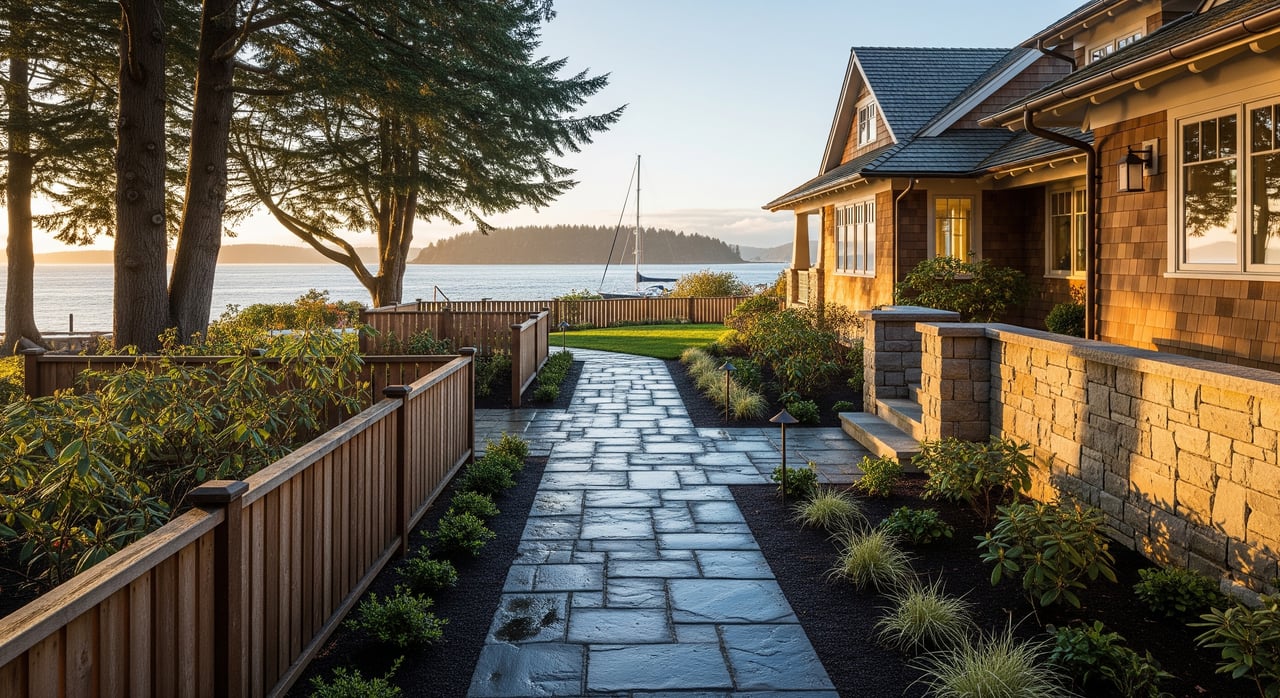
Thinking about leveling up your space and lifestyle in Gig Harbor, but not sure where to start? You might want a bigger yard, a newer build, or the ease of being close to the harbor. The good news is you have clear paths to compare, each with distinct neighborhoods, budgets, and tradeoffs. In this guide, you’ll see where to find the right fit, what to expect to spend, and the key checks that protect your purchase. Let’s dive in.
How move-up buyers decide in Gig Harbor
Gig Harbor sits on the peninsula in Pierce County with quick access to Tacoma via the Tacoma Narrows Bridge. Many residents commute to Tacoma or JBLM, while others prioritize marina access, trails, and quieter streets. The area blends historic harbor neighborhoods, suburban subdivisions, and semi-rural acreage.
Most move-up buyers look for more space, private outdoor areas, modern systems, or Puget Sound views. Demand for larger homes and outdoor living has stayed strong in recent years. Newer development tends to appear on the edges of town rather than downtown. Waterfront and view homes command a premium and often sell more selectively.
Path 1: Larger lots and acreage
Where you’ll find them
Look to the south and west sides of the peninsula, including Artondale, Rosedale, and parts of Wollochet. You’ll also see options near Purdy and Henderson Bay. If you want even more land and do not mind a longer drive, explore the Key Peninsula and Vaughn. Some pockets north of Gig Harbor and off Highway 16 offer quarter-acre or larger lots too.
What to expect
Parcels often run from 0.25 acre to several acres. Many homes are older, with room to add shops, RV storage, or an accessory building. Utility setup varies. Inside city limits, sewer and water are more common. In rural or unincorporated areas, you’ll often see septic systems and wells.
Budget guidance
- Smaller move-up lots of about 0.25 to 0.5 acre commonly run from the mid $600,000s to the low $1 millions.
- One-acre and rural properties often start in the high $700,000s and can reach $1.5 million or more, based on access, updates, and outbuildings.
These are approximate ranges for the Gig Harbor and Pierce County pattern through mid 2024. Market levels change, so verify against current NWMLS data.
Pros and tradeoffs
- Pros: Privacy, room to expand, space for gardens or a shop, and lower density living.
- Cons: Septic or well maintenance, added costs for utility extensions or major remodels, and zoning or critical-area limits on building.
Due diligence to prioritize
- Confirm septic records and well details for rural parcels.
- Review access easements and any recorded restrictions.
- Check county critical-area maps for slopes or wetlands that limit building.
Path 2: Newer construction and planned communities
Where you’ll find them
Newer homes cluster around north and peripheral Gig Harbor near the Highway 16 corridor, plus unincorporated Pierce County pockets where builders have land. Nearby cities like University Place and some Lakewood or Tacoma suburbs also offer newer neighborhoods that appeal to move-up buyers with shorter commute goals.
What to expect
You’ll see modern floor plans with open living, a primary suite, flex spaces, energy-efficient systems, and attached garages. Yards are smaller compared to rural lots, but often landscaped and lower maintenance. Homeowners associations are common in these neighborhoods.
Budget guidance
- Entry to mid move-up new homes commonly range from the mid $600,000s to the mid $900,000s.
- Larger or higher-spec new builds often run from about $900,000 to $1.4 million or more, depending on finishes and lot.
These ranges reflect mid 2024 patterns. Always cross-check with current NWMLS reports and active listings.
Pros and tradeoffs
- Pros: Modern systems and code standards, builder warranties, predictable finishes, and sometimes parks or trails.
- Cons: HOA rules and fees, smaller lots, possible construction nearby, and potential new-build timelines.
Due diligence to prioritize
- Verify builder reputation and warranty coverage.
- Review planned future phases or nearby land uses.
- Confirm that area infrastructure aligns with growth, including roads and schools.
Path 3: View and waterfront homes
Where you’ll find them
You’ll find view and waterfront options along downtown and Old Town Gig Harbor, Wollochet Bay, Henderson Bay, and nearby Fox Island and Key Peninsula shorelines. Elevated neighborhoods like Harborview, Harbor Hill, and some uptown slopes offer wide water views without direct shoreline access.
What to expect
Homes range from classic cottages and renovated residences to custom builds. Direct waterfront parcels may include docks or boathouses. Bluff or elevated lots deliver panoramic views. Shoreline rules often shape what you can remodel or rebuild, so plan ahead.
Budget guidance
- Elevated view homes often start in the high $700,000s and can reach $1.5 million or more.
- Direct waterfront and homes with private docks commonly start in the high $900,000s and extend into multiple millions, with many sales between $2 million and $5 million or higher.
These ranges reflect the mid 2024 pattern and shift with market cycles. Verify against current NWMLS data.
Pros and tradeoffs
- Pros: Boating and beach access for select properties, daily views, and strong value retention in quality waterfront locations.
- Cons: Premium pricing, higher insurance and maintenance, and strict shoreline permitting. Some sites may have erosion risks or bulkhead needs.
Due diligence to prioritize
- Confirm county and state shoreline rules for docks, bulkheads, or major rebuilds.
- Review FEMA flood maps for exposure and insurance requirements.
- Verify any existing dock or bulkhead permits and ask about insurance availability and premiums.
Match your wish list to neighborhoods
- Large yard or room for a shop or RV: Artondale, Rosedale, Purdy, parts of Wollochet, and the Key Peninsula. Focus on 0.5 to 2 acre parcels and confirm septic or well details.
- Move-in-ready new home with modern systems: Newer subdivision pockets in north and peripheral Gig Harbor, plus nearby University Place or unincorporated Pierce County developments.
- Water access and a boat dock: Downtown and Old Town waterfront, Wollochet Bay, Henderson Bay, Fox Island, and select coves along the peninsula. Expect premium pricing and thorough permit checks.
- Harbor or Puget Sound views without full waterfront: Elevated areas such as Harborview, Harbor Hill, pockets north of downtown with elevation, and upper-slope lots near Uptown.
- School-serving neighborhoods and parks access: Areas inside city limits and served by the Peninsula School District. Always confirm current boundary maps.
- Short commute to Tacoma or JBLM: North Gig Harbor and neighborhoods closest to Highway 16 generally offer the quickest access. Test drive times during peak hours.
Commute, schools, and amenities
If a shorter commute is a priority, compare north peninsula neighborhoods and peripheral areas near Highway 16. For JBLM, also factor in gate access and rush-hour patterns. If you value the harbor lifestyle, weigh the tradeoff of being closer to marinas and Old Town shops versus a longer commute.
For schools, verify current assignments through the Peninsula School District or adjacent districts if you look in University Place or Lakewood. For recreation, many buyers look for access to state and local parks, including waterfront spots like Kopachuck State Park and neighborhood trails such as Crescent Creek.
Budgeting and financing your move-up
You can approach a move-up in several ways, and the best route depends on market conditions and your risk tolerance.
- Sell then buy: Reduces bridge risk and may improve your purchase power once you close, but can add pressure on timing.
- Bridge or contingent offer: Useful when you need equity from your current home. Be ready for added underwriting and a strong plan if the market is competitive.
- HELOC or cash reserves: Offers flexibility for non-contingent offers. Consider interest costs and exit strategy once you sell.
For higher-value and waterfront properties, expect more complex appraisal and underwriting. Build in added time for closing.
A smart buyer checklist for Pierce County
Use this list to keep your process efficient and focused.
- Utilities: Confirm sewer vs septic and city water vs well. Get recent septic inspection and well test results where applicable.
- Shoreline and critical areas: Review shoreline rules for waterfront and near-shore sites. Check for steep slopes, wetlands, or other limits on grading and building.
- Flood and insurance: Review flood exposure and line up insurance quotes early, especially for waterfront.
- Access and easements: Verify recorded easements and driveway access rights for acreage or flag lots.
- Taxes and assessments: Check parcel data and current levies through the county assessor.
- Inspections: For older and waterfront homes, add inspections for structural elements, moisture or rot, bulkheads, and shoreline structures.
- Commute and services: Test commute windows and confirm proximity to marinas, parks, health care, and civic services.
Ready to plan your next move?
If you are weighing larger lots, a modern new build, or a view or waterfront lifestyle, you have strong options across Gig Harbor and nearby Pierce County. Your best next step is a data-informed plan matched to neighborhood tradeoffs, commute goals, and a clear due diligence path.
If you want a methodical, local approach with fast communication, connect with Tim McKeown to request a free consultation and home valuation. You will get clear pricing expectations, neighborhood matches, and a step-by-step plan for a smooth move-up.
FAQs
Where to find current pricing and inventory in Gig Harbor
- Use NWMLS market data and local brokerage updates for recent sales and active supply. A local agent can narrow figures to your target neighborhoods.
How much more do Gig Harbor waterfront homes cost than view homes
- Waterfront typically carries a substantial premium over elevated view homes. The price step depends on direct water access, dock rights, and shoreline type.
Are newer construction homes easier to maintain than older waterfront homes in Pierce County
- Generally yes. New builds have modern systems and warranties. Waterfront homes, even newer ones, can require added care for docks, bulkheads, and exposure.
Do larger lots around Gig Harbor always use septic systems
- No. City-served areas often have sewer. Many larger or rural parcels outside city limits do use septic, so verify utility status during inspection.
What permits can limit remodeling on waterfront properties in Pierce County
- Projects like docks, bulkheads, shoreline stabilization, and major shoreline construction often require county approvals and may involve state agencies.
Which Gig Harbor neighborhoods offer the shortest commutes to Tacoma or JBLM
- North Gig Harbor and areas closest to Highway 16 usually provide the fastest access. Always compare drive times during peak hours to confirm your route.