If your workday starts with a laptop instead of a freeway, where you live can shape everything from your focus to your stress level. You want a home that supports your job, but you also want a place that feels good after the screen turns off. In Gig Harbor, that balance is a big part of the appeal. Here’s what to know if you’re thinking about Gig Harbor living as a remote or hybrid worker.
Why Gig Harbor works well
Gig Harbor offers a different rhythm than a more urban, commute-heavy market. The city’s planning documents describe downtown as quaint, historic, and walkable, with a waterfront where people live, work, shop, and spend time outdoors.
That matters if you work from home. Instead of feeling like you live in a place built only for sleeping and driving elsewhere, you get a setting with local character, public waterfront access, retail, and everyday amenities close to home.
For many buyers, that makes Gig Harbor feel less like a backup to Tacoma or Seattle and more like a destination in its own right. If your schedule is remote most days or hybrid only part of the week, that lifestyle can be a strong match.
Internet readiness matters
One of the first questions remote workers ask is simple: can you reliably work from home here? Census QuickFacts suggests Gig Harbor is well positioned for that question, with 98.5% of households reporting a computer and 95.3% reporting a broadband internet subscription.
That said, internet service is still an address-level issue. Washington State Commerce directs residents and buyers to use the FCC National Broadband Map to check reported providers and speeds for a specific property.
Provider options may vary by street or even by parcel. CenturyLink reports fiber internet in select Gig Harbor locations with speeds up to 940 Mbps and unlimited data, while Xfinity and T-Mobile also list service in the area.
The practical takeaway is to verify service before you buy, especially if your job depends on video calls, large file transfers, or multiple people working from home at once. Gig Harbor is generally internet-friendly, but you should avoid assuming every home has the same setup.
Home styles and office space
If you need a dedicated office, Gig Harbor’s housing mix may work in your favor. City planning documents say the area remains largely single-family in character, even as the city plans for more townhomes, condos, apartments, and accessory dwelling units over time.
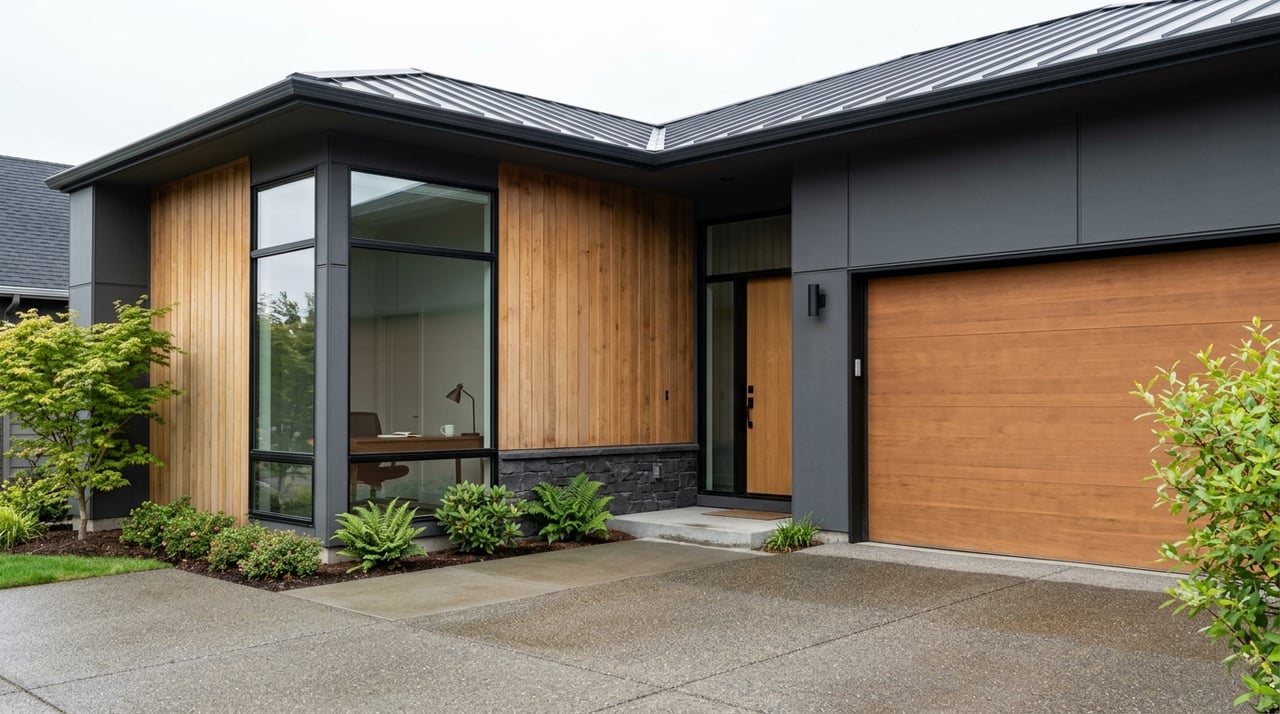
For buyers, that often means detached homes are the easiest place to find a spare bedroom, den, or bonus room that can function as an office. That is not a formal housing category, but it is a practical takeaway from the city’s housing pattern.
Attached homes can still be a good fit, especially if your hybrid schedule is lighter or you prefer lower-maintenance living. Still, compared with a denser urban market, Gig Harbor’s long-standing single-family character may give you more options for flexible indoor space.
What the market tells you
Gig Harbor is not a starter-home-heavy market. Census QuickFacts lists a median owner-occupied home value of $767,100, and 62.2% of housing units are owner-occupied.
That points to an established owner-occupied housing base. For remote and hybrid buyers, it also means you should enter the search with a realistic budget and a clear idea of what features matter most, whether that is office space, lower-maintenance living, or proximity to downtown.
A focused plan matters here. If you are relocating or trying to balance home-office needs with lifestyle goals, it helps to evaluate tradeoffs early instead of chasing every listing that looks good online.
Daily life is a real advantage
Remote work is not just about internet speed or square footage. It is also about your day-to-day routine and whether your surroundings help you stay balanced.
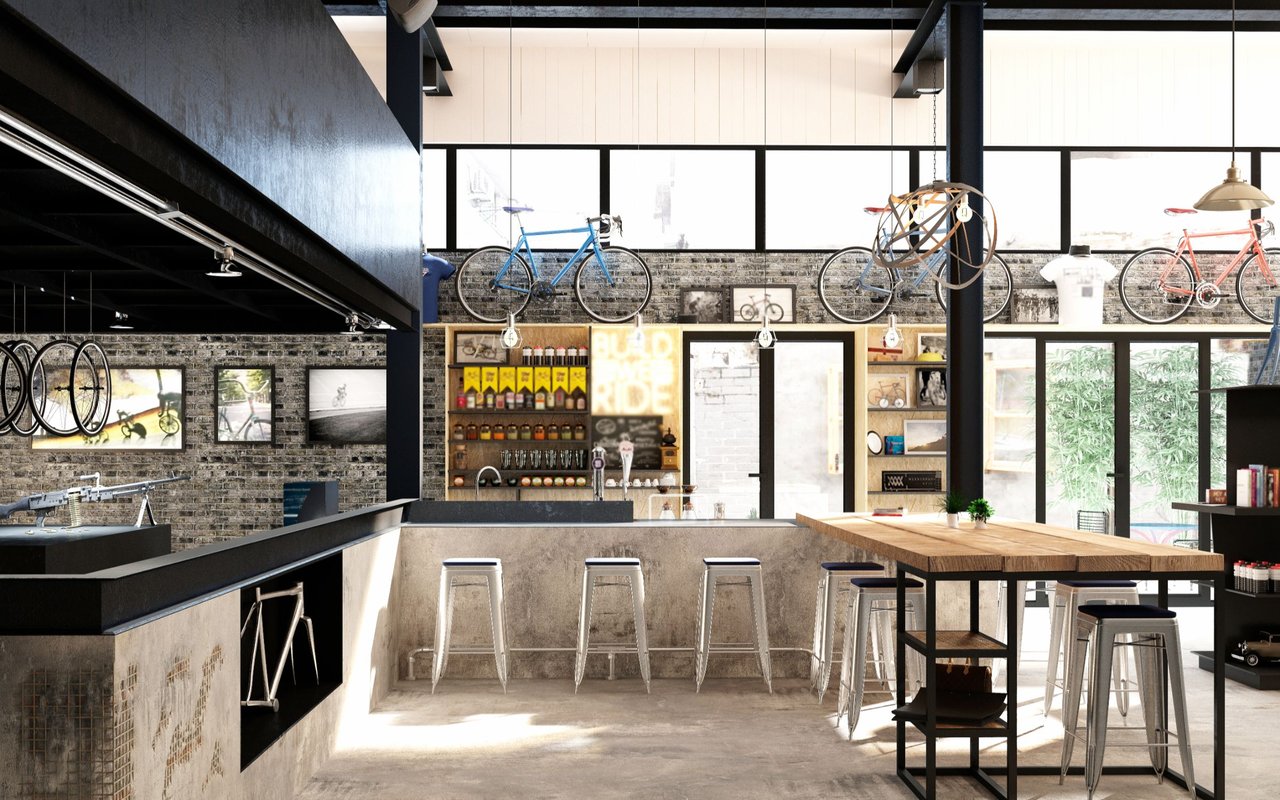
Gig Harbor stands out here. The downtown waterfront district along Harborview Drive and Judson Street includes a mix of local businesses, restaurants, and coffee spots. The Gig Harbor Waterfront Alliance lists places such as Java & Clay Cafe, William Patrick’s Coffee, Susanne’s Bakery, Devoted Kiss Cafe, and B’s Bagels & Butter.
That kind of setting supports a work-from-home lifestyle in a practical way. You can break up the day with a coffee run, a change of scenery, or a quick lunch without feeling like you need to plan a full trip.
Trails and parks support the routine
Outdoor access is another big plus for remote and hybrid workers. The Cushman Trail is a 6.2-mile paved non-motorized trail with trailheads, restrooms, and seating, making it an easy option for a morning walk, mid-day reset, or evening workout.
McCormick Forest Park adds more than four miles of trails through old-growth forest. Sunrise Beach Park offers walking trails, beach access, and views of Puget Sound and Mount Rainier.
Downtown parks also add to the experience. Skansie Brothers Park hosts community events, while Ancich Waterfront Park and Maritime Pier provide beach access, public waterfront features, and space to enjoy the harbor.
If you work from home, these places can become part of your normal routine instead of an occasional weekend outing. That can make a real difference in how sustainable remote work feels over time.
Commuting to Tacoma or Seattle
Hybrid work often means you still need to get somewhere a few times a week or a few times a month. In Gig Harbor, that usually means thinking carefully about Tacoma first and Seattle second.
Gig Harbor connects to Tacoma through State Route 16 and the Tacoma Narrows Bridge. According to WSDOT, the eastbound span is tolled and uses Good To Go accounts, and the corridor can also involve ramp-meter operations and other traffic factors.
For occasional Tacoma trips, that connection is a real strength. For daily, time-sensitive commuting, it is still something you need to test against your schedule and tolerance for traffic.
Seattle access is possible, but it is better described as a connect-and-go pattern than a simple direct commute. Sound Transit’s S Line runs between Lakewood or Tacoma and Seattle’s King Street Station, so most Gig Harbor residents heading to Seattle by rail will connect through Tacoma or Lakewood first.
That is why Gig Harbor tends to make the most sense for remote workers and hybrid buyers with limited office days, not for someone expecting an easy in-town rail commute every day.
Transit and local mobility
If you do not want to rely entirely on driving, there are local options to know. Pierce Transit Route 100 runs between Tacoma Community College Transit Center and Purdy Park & Ride, with Gig Harbor stops at Point Fosdick and Kimball Drive.
Pierce Transit Runner also serves Gig Harbor Downtown and Purdy daily, offering an on-demand transit option for local trips and connections. These services do not replace a fully urban transit network, but they do give residents another way to move around the area.
The county’s Gig Harbor Peninsula transportation plan also notes that the road network has historically been car-oriented. It also highlights community interest in more sidewalks, trails, pathways, and bike routes.
For buyers, that means location inside Gig Harbor matters. Homes closer to downtown or near trail connections may support a more walkable daily routine, while outlying areas are generally more car-dependent.
Neighborhood feel and housing character
Part of Gig Harbor’s appeal is its sense of place. The city continues to protect the scale and character of historic neighborhoods in The Harbor, including elements such as setbacks, massing, views, and tree canopy.
For you as a buyer, that can mean a stronger visual identity and more charm near the waterfront and older core. If you want a home base that feels distinct instead of interchangeable, this planning approach is part of what gives Gig Harbor its personality.
At the same time, buyers should match that charm with practical needs. A beautiful location still needs to support your work setup, your budget, and your commute pattern.
How to evaluate Gig Harbor as a buyer
If you are considering Gig Harbor for remote or hybrid living, focus on a few core questions:
- Do you need a full-time dedicated office or just flexible work space?
- How many days each week will you need to reach Tacoma or Seattle?
- Is walkability to downtown, coffee shops, or waterfront spaces important to your routine?
- Would you rather have a detached home with more room or an attached home with less upkeep?
- Have you verified internet options at the exact address you are considering?
These answers will help narrow the search quickly. In a market like Gig Harbor, the right fit often comes from balancing lifestyle and logistics, not just choosing the prettiest house.
If you are relocating to the South Puget Sound or moving within the area, Gig Harbor can be a strong option for buyers who want more breathing room, a distinct waterfront setting, and a home that supports work-from-home life. The key is choosing the right property and location for how you actually live and work.
If you want help weighing Gig Harbor against Tacoma, University Place, Lakewood, or other South Sound options, Tim McKeown can help you compare neighborhoods, evaluate commute tradeoffs, and find a home that fits your routine.
FAQs
Is Gig Harbor a good place for remote workers?
- Yes. Gig Harbor offers a strong work-from-home lifestyle thanks to high broadband subscription rates, a largely owner-occupied housing base, flexible home layouts in many detached homes, and access to waterfront amenities, trails, and local coffee spots.
Can you get reliable internet in Gig Harbor?
- In many cases, yes, but you should verify service by address. Washington State Commerce recommends checking the FCC National Broadband Map, and provider availability can vary by street or parcel.
Is Gig Harbor mostly single-family housing?
- Yes. City planning documents say Gig Harbor remains largely single-family in character, even though future housing plans also include ADUs, townhomes, condos, and low-rise multifamily housing.
Is Tacoma an easy commute from Gig Harbor?
- Usually for occasional trips, yes. Gig Harbor connects to Tacoma by SR 16 and the Tacoma Narrows Bridge, but tolling and traffic conditions can affect travel time.
Is Seattle a practical commute from Gig Harbor?
- It is more practical for occasional or hybrid travel than for a simple daily commute. Most Seattle rail access involves connecting through Tacoma or Lakewood first.
What makes daily life in Gig Harbor appealing for hybrid workers?
- The mix of walkable waterfront spaces, local coffee shops, parks, and trails can make it easier to build a balanced routine around work, errands, outdoor time, and downtime close to home.