
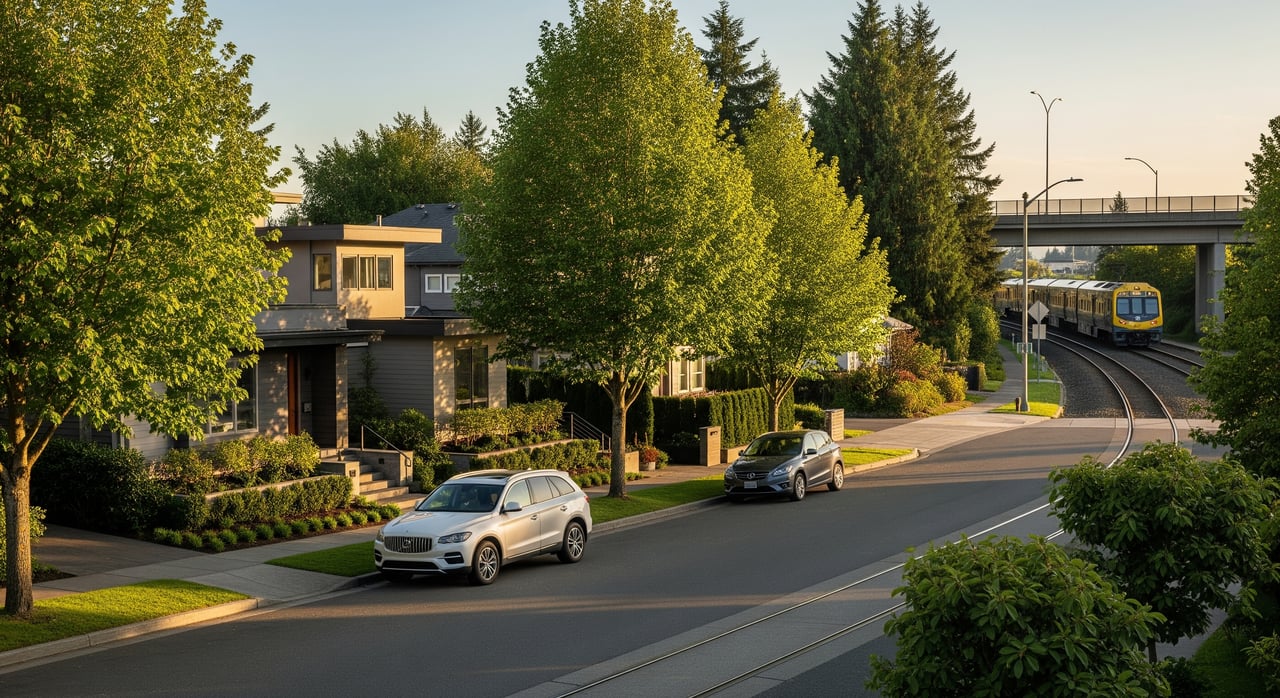
Trying to figure out the smartest way to get from Lakewood to Tacoma or Seattle without losing your morning to traffic or your evening to parking? You have solid choices, and the best one changes by time of day and trip purpose. In this guide, you’ll learn how to use Sounder from Lakewood Station, when a park-and-ride plus bus makes sense, and when I‑5 is still your quickest bet. Let’s dive in.
Lakewood commute overview
You have four main options to reach Tacoma and Seattle: Sounder South commuter rail from Lakewood Station, Pierce Transit buses and regional express connections, a drive on I‑5 or SR 512, or a mix of park‑and‑ride plus transit. Each mode has tradeoffs. Sounder is predictable and comfortable during weekday peaks. Buses add routing flexibility throughout the day. Driving gives door‑to‑door control and can be fastest off‑peak.
Fares, parking, and time windows also matter. ORCA integrates fares across agencies when you tap correctly for transfers. Parking downtown, especially in Seattle, adds cost and hassle, which is why many Lakewood commuters drive to a park‑and‑ride, then ride rail or bus for the busiest segment of the trip.
Sounder from Lakewood Station
Best for: Weekday peak trips to Tacoma and Seattle with a standard work schedule.
Schedule basics
Sounder South runs weekday peak‑oriented service, with morning trains north toward Tacoma and Seattle and evening return trips to Lakewood. Midday, late evening, and weekend options are limited or not available, so you will want backups for off‑peak and irregular hours. For the latest timetable and any service changes, check the current S Line schedule on the Sound Transit site using the Sounder S Line schedule page.
You can review official schedules and alerts on the Sound Transit website. For station details like boarding areas, accessibility notes, and service advisories, see the Lakewood Station page on Sound Transit.
Paying with ORCA and transfers
ORCA is the regional fare system that works across Sound Transit and Pierce Transit. Sounder fares are distance‑based, and you should tap on and tap off as directed to get the correct fare and transfer credit. To set up a card, manage your balance, or explore passes, visit the ORCA website for account tools and how‑tos.
Parking, bikes, and accessibility
Lakewood Station includes park‑and‑ride facilities and a bus transfer area, which helps if you prefer to drive partway and ride the train for the most congested stretch. Stations and trains are ADA accessible, and Sound Transit posts updates for any temporary changes. You can bring a bike on Sounder, but space is limited during peak trips. Review Sound Transit’s guidance on bikes aboard Sounder to plan for storage and timing.
First‑timer step‑by‑step
- Arrive 10–30 minutes early for peak trains to find parking and the right platform.
- Load funds or a pass on your ORCA card ahead of time and keep it handy.
- Tap in where required before boarding and tap out at your destination to get proper fare credit.
- If you plan to connect to a local bus, confirm timing with a trip planner so you are not rushed after arrival.
Park‑and‑rides and buses
Best for: Avoiding downtown parking and creating a flexible, cost‑effective commute.
How park‑and‑rides help
Park‑and‑rides let you handle the first miles by car, then switch to rail or bus. This cuts your time driving in the most congested areas and usually lowers parking expenses. Popular lots can fill early on weekdays, so it helps to know a secondary lot or be ready to take a feeder bus if your first choice is full.
Pierce Transit connections
Pierce Transit provides local routes that connect Lakewood neighborhoods to Lakewood Station, the Tacoma Dome area, and other hubs. Some services are designed for faster trips by using freeways and HOV lanes where available. For current lot locations, rules, and amenities, see Pierce Transit’s park‑and‑ride information. For routing, frequency, and stop details, use the Pierce Transit routes and schedules pages.
Timed transfers are sometimes planned around Sounder arrivals and departures, but they are not guaranteed on every trip. To confirm exact connections on your day of travel, use the Pierce Transit trip planner.
Tips for full lots and timing
- Aim to arrive earlier on high‑demand weekdays, especially for morning trains and express buses.
- Bookmark one or two backup lots and know the bus routes that serve them.
- Check agency alerts before you leave in case of service changes or construction impacts.
Driving I‑5
Best for: Off‑peak trips, multi‑stop days, reverse commutes, or when transit schedules do not align with your hours.
Congestion patterns and HOV lanes
I‑5 is the direct route between Lakewood, Tacoma, and Seattle, and it sees heavy traffic during weekday peaks. Northbound mornings and southbound evenings tend to be the most congested. Off‑peak periods are typically faster and more reliable. Review live conditions and travel times using WSDOT’s real‑time traffic map. If you qualify, HOV lanes can improve travel time in many segments. Learn about HOV eligibility and hours on WSDOT’s carpool and HOV overview.
I‑5 is not tolled in this corridor. If your route includes other facilities like the SR 520 bridge or I‑405 express toll lanes, normal toll rules apply. Confirm details on WSDOT pages before you go.
Parking in Tacoma vs Seattle
Tacoma downtown parking is generally easier and less expensive than Seattle. If you work in Seattle or near the stadiums, taking Sounder or a regional express connection can save you money and stress compared with daily parking. Many Lakewood commuters split the difference by driving to a park‑and‑ride, then riding rail or bus to the core.
Drive‑or‑transit checklist
Use this quick list each morning to choose your mode:
- What time is your first meeting or shift start? Peak trains may be faster and more predictable.
- Do you have multiple errands or midday off‑site stops? Driving may win.
- Is there a major incident on I‑5? Check WSDOT and adjust.
- Will you pay for downtown parking today? Park‑and‑ride plus transit likely saves money.
- Do you qualify for HOV lanes? That can tip the scales for driving.
Daily planning tools
- Sounder schedules and planning: Use the Sounder S Line schedule and station pages on the Sound Transit site for current train times and alerts.
- Pierce Transit routing: The Pierce Transit routes and trip planner provide stop‑level details and timing across Lakewood, Tacoma, and regional hubs.
- ORCA account: Manage your card, set up autoload, and review pass options on the ORCA site.
- I‑5 traffic and HOV info: Use WSDOT’s real‑time traffic map and HOV lane guidance to time your drive.
Example commute choices
- Weekday peak to Seattle: Drive to a Lakewood area park‑and‑ride, ride Sounder north for a predictable arrival, and connect by foot or local transit. This removes downtown parking from your day. Keep a backup bus route in mind if a train is canceled or you miss a departure.
- Off‑peak to Tacoma: Drive I‑5 or use a Pierce Transit local route, depending on your schedule. Off‑peak driving is usually quicker, but buses can simplify parking near downtown destinations.
- Late evening work or events: Sounder service is limited outside peak windows, so plan on a bus connection or driving home. If you expect a late return, confirm last bus times and keep a rideshare option for the last mile.
Bottom line for Lakewood commuters
There is no one “right” way to commute from Lakewood. Sounder delivers a calm, predictable ride during weekday peaks. Park‑and‑ride plus bus gives you flexibility without downtown parking. Driving I‑5 is still efficient for off‑peak trips and multi‑stop days. With a short planning routine and the right tools, you can switch modes day by day and save time and money.
If commute time is a key factor in your next move, get local guidance that ties neighborhoods to real‑world travel. Reach out for practical, data‑informed advice that matches your schedule and budget. Have questions about specific routes or timing near homes you are considering? We are here to help.
Ready to align your home search with the best commute options? Request a Free Consultation & Home Valuation with Unknown Company and get a plan tailored to your life.
FAQs
Is Sounder from Lakewood weekend friendly?
- Sounder South service is oriented to weekday peak hours. Weekend options are limited or not available, so plan for buses or driving on weekends and late evenings.
How early should I arrive at Lakewood Station?
- For peak weekday trains, arrive 10–30 minutes early to secure parking, find your platform, and board without rushing. Popular lots can fill early.
Do I need an ORCA card to ride Sounder and buses?
- ORCA is the easiest way to pay and transfer across agencies. It helps you access distance‑based Sounder fares and get transfer credit on buses when you tap correctly.
Is it faster to drive or take transit to Seattle?
- It depends on timing. During weekday peaks, Sounder or a regional express connection is often faster and more reliable. Off‑peak or multi‑stop days often favor driving on I‑5.
Can I bring my bike on Sounder trains?
- Yes, but space is limited during peak trips. Arrive early or consider a folding bike. Check Sound Transit’s current bike policies before you travel.