
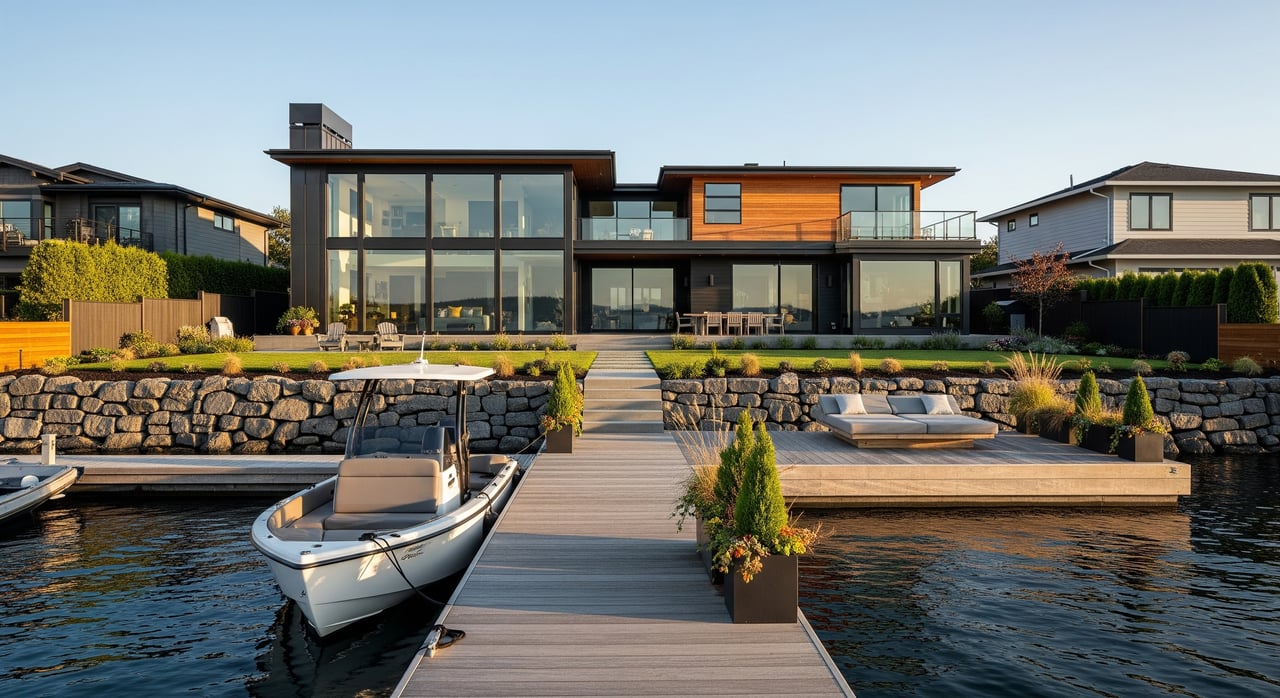
Imagine starting your morning with a shoreline walk, grabbing coffee with a view of the Sound, and ending the day with a sunset over Chambers Bay. If you have been picturing life on or near the water in University Place, you are not alone. The area blends quiet residential streets with big Puget Sound views, plus easy access to parks and regional amenities. In this guide, you will learn how everyday waterfront living really feels, what homes to expect, practical tradeoffs, and the rules that shape life by the water. Let’s dive in.
What daily life looks like on the water
Parks, beaches, and open space
Most of your everyday waterfront time in University Place happens at public parks and beaches. Chambers Bay and Chambers Creek Regional Park are the core outdoor hubs for walking, birding, beachcombing, kite flying, and sunsets. The bluff-top viewpoints and shoreline access draw locals year-round. You get the views and recreation without needing to own a large slice of private beach.
- For city listings of parks and public access, check the official resources from the City of University Place.
- Chambers Creek Regional Park details and updates are available through Pierce County Parks.
Trails and getting around
Sidewalks, neighborhood streets, and regional trails make it easy to reach viewpoints and open spaces for short walks. For errands, most residents drive, and Pierce Transit serves local routes for regional connections. Commuting into Tacoma or other parts of Pierce County is common, and access to I‑5 or SR‑16 is a frequent factor when comparing neighborhoods.
Boating and marinas nearby
University Place itself has limited full-service marinas. If boating is part of your lifestyle, you will likely keep a slip in nearby Tacoma or Gig Harbor. Many buyers check slip availability and waitlists early in their search. The result is a simple routine: enjoy the quiet at home and head a short drive to your boat when the weather lines up.
Seasons and simple routines
Summer brings more beach use, boat traffic, and social time outdoors. Winter can be dramatic, with wind and high tides that shape your plans and your to-do list. Expect routine exterior checks, salt-spray rinses, and storm prep to be part of your seasonal rhythm. With the right plan, you stay ahead of maintenance and maximize your time outside.
Housing options and price context
Home types near the shoreline
Most near-water properties in University Place are single-family homes. You will see mid-century ranches, Northwest traditional styles, Craftsman elements, and newer contemporary rebuilds that open up views. There are also a smaller number of condos and townhomes that feature Sound views. Some lots are compact, while others with frontage are larger and may include private shoreline.
How pricing tiers work
Waterfront and water-view homes tend to trade in their own tier. Inventory is limited and direct Puget Sound frontage is scarce, which creates a meaningful price premium and fewer listings at any given time. As of recent mid‑2020s market cycles, homes with direct frontage commonly sit in higher price tiers, often starting in the low seven-figure range and rising with lot size, access, and finish. Near-water or view properties generally fall in mid-to-upper tiers for the city. Exact prices shift with conditions, so review current sold comparables in the local MLS or consult a University Place agent for up-to-date numbers.
For broad market context and local trends, agents rely on NWMLS market reports. Just keep in mind that waterfront markets are micro-local and a single sale can sway averages.
Who this lifestyle fits
Buyers who value quiet streets, nature, and daily access to parks tend to feel right at home near the water. Professionals who commute to Tacoma or work hybrid schedules often prioritize views and easy outdoor time. Many move-up buyers or retirees choose to remodel or rebuild to maximize views and weather resilience. A smaller set of second-home buyers also look at the area for seasonal use.
Practical tradeoffs to weigh
Exterior maintenance and durability
Salt spray and moisture are the everyday realities of Sound-side living. Plan on more frequent checks of paint, metal fixtures, decks, and railings. Roofing, gutters, and exterior wood benefit from regular inspection and timely repairs. Landscaping usually works best with native and salt-tolerant plants, and seasonal debris may need occasional cleanup.
Flood risk, insurance, and long-term change
Parts of the University Place shoreline may fall in FEMA flood zones or face coastal storm surge risk. Review your parcel on the FEMA Flood Map Service Center and get insurance quotes early to understand total carrying costs. Regional planners also track shoreline change and sea-level rise across Puget Sound. You can learn about ongoing recovery and climate topics through the Puget Sound Partnership. Lenders and insurers pay close attention to these factors, so early due diligence reduces surprises.
Access, privacy, and nearby activity
Public beaches and parks are a core benefit of the area. If you value privacy, consider how nearby trailheads, street parking, or popular viewpoints may affect daily life during peak seasons. Conversely, if you prefer easy access for walks and beach time, homes close to public entry points may be your best fit.
Rules and permits you should know
Waterfront projects sit under a layered set of state and local rules that protect Puget Sound shorelines.
- Washington’s Shoreline Management Act guides all major shoreline development. For an overview of how the program works, start with the Washington State Department of Ecology.
- The City of University Place implements its own Shoreline Master Program and local permits. Reach out to the City of University Place Planning and Community Development before planning any shoreline-related work.
- Some parcels fall under Pierce County jurisdiction. For those cases, contact Pierce County Public Works and permitting via the Pierce County website.
Common triggers for permits include building or repairing docks, bulkheads, or seawalls; regrading or nearshore landscaping that could affect runoff; and any structure within shoreline buffers or critical areas. Projects that may affect fish and wildlife habitat typically involve coordination with the Washington Department of Fish and Wildlife and Ecology. Early conversations with city or county staff help clarify what is allowed, what needs mitigation, and where to save time.
Your due diligence checklist
Use this simple list to make an informed purchase decision:
- Confirm shoreline access. Review the deed, title report, and any easements using Pierce County parcel records.
- Check flood risk. Pull your parcel’s map at the FEMA Flood Map Service Center and get insurance quotes.
- Inspect for coastal wear. Order a thorough home inspection that includes exterior systems, foundations, drainage, and any marine structures like docks or bulkheads.
- Verify utilities. Confirm sewer versus septic, stormwater solutions, and any shared access agreements.
- Ask about permitting. Call the City of University Place planning office to discuss shoreline rules, setbacks, and what projects need permits.
- Review regional context. Learn about transportation and growth planning through the Puget Sound Regional Council and environmental priorities via the Puget Sound Partnership.
- Look at recent sold comps. Have your agent pull micro-local sales for waterfront and view homes to understand pricing and turnover.
A day in the life near Chambers Bay
You take a short morning walk along the bluff and watch early light hit the Sound. Midday is for errands in town and a quick stop at a local shop. Later, a friend texts about a clear forecast, so you drive to a nearby marina in Tacoma for a sunset cruise. Back home, you rinse the deck rails to keep salt off and settle in with a view. It is a simple routine that rewards you with daily access to nature and calm.
Tips for a smooth purchase
- Prioritize location fit. Decide if you want direct access, a wider view, or a quieter street a few blocks up the hill.
- Budget for upkeep. Set aside funds for exterior maintenance and any shoreline structure needs.
- Get clear on rules. Before planning projects, confirm what is allowed under local shoreline regulations.
- Plan your commute. Test-drive your route to I‑5 or SR‑16 at your usual travel time.
- Check boating logistics. If you plan to keep a boat, contact Tacoma and Gig Harbor marinas about slip availability.
Ready to explore University Place waterfront living?
If you are weighing view versus access, or you want sold comps for a specific stretch of shoreline, you deserve a local, methodical guide. I live and work here and can help you compare neighborhoods, understand permitting, and budget smartly for a waterfront lifestyle. Let’s talk through your goals and build a clear plan.
Connect with Tim McKeown to Request a Free Consultation & Home Valuation.
FAQs
What does “waterfront” mean in University Place?
- Waterfront typically refers to parcels with direct Puget Sound frontage, while water-view or near-water homes may offer views or walkable access without direct shoreline on the lot.
Where can I access beaches without owning waterfront property?
- Residents commonly use public areas at Chambers Bay and Chambers Creek Regional Park; see the City of University Place and Pierce County Parks for current access details.
Do I need flood insurance for a UP waterfront home?
- It depends on your parcel’s flood zone; check your address on the FEMA Flood Map Service Center and obtain quotes early in your search.
Can I build or repair a dock or bulkhead in UP?
- Many shoreline structures require permits under state and local rules; contact the City of University Place planning staff and review guidance from the Washington Department of Ecology.
How often do waterfront homes come on the market in UP?
- Inventory is limited and turnover is lower than inland areas; ask your agent for micro-local sold comps and historical trends sourced from NWMLS market reports.
Are there full-service marinas in University Place?
- Full-service marinas are typically found in nearby Tacoma or Gig Harbor; most UP boaters keep slips there and drive a short distance to launch.